
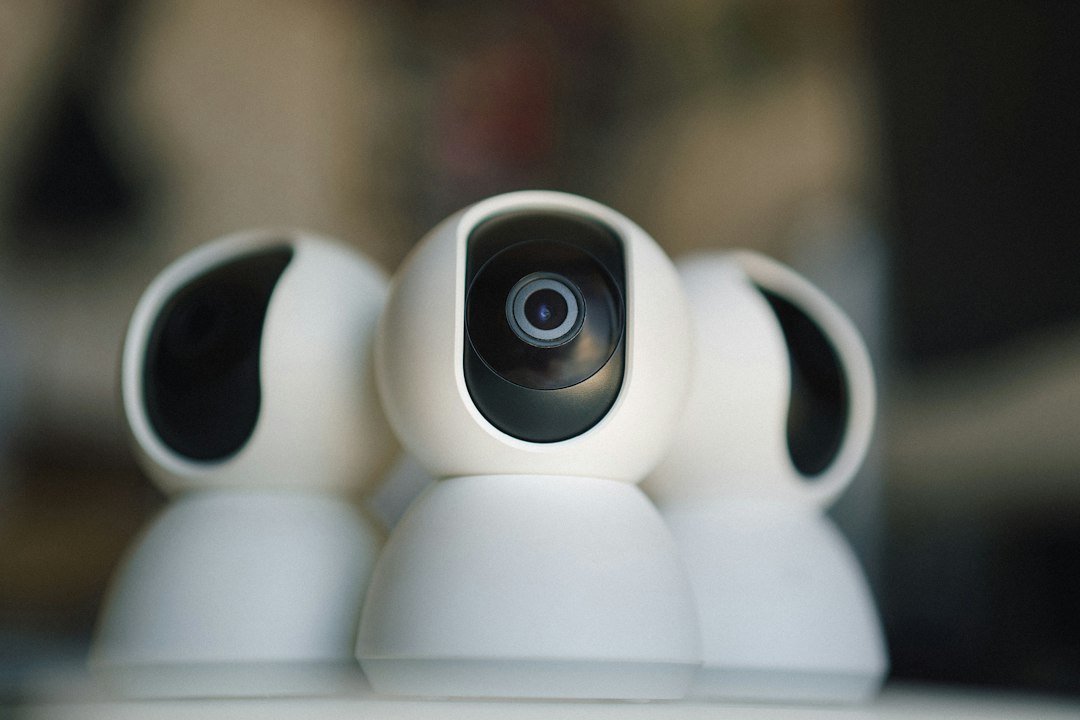
—
Introduction – Why a Tiny Lens Can Make a Big Difference
Imagine coming home after a long day at work, only to find the front door ajar and a trail of footprints leading to your living room. Your heart races, your mind spins, and you wish you had a way to see exactly what happened—and when. That “what‑if” scenario is the hook that drives millions of homeowners to consider indoor security cameras.
In today’s connected world, a compact, Wi‑Fi‑enabled camera can turn any room into a watchful guardian. It’s not just about catching burglars; it’s about peace of mind, pet monitoring, checking on kids, and even reducing insurance premiums. In this 2,000‑word guide we’ll walk you through everything you need to know to pick the right indoor security camera, install it like a pro, and squeeze every ounce of value out of your home surveillance system.
Ready to transform your home into a smart, secure sanctuary? Let’s dive in.
—
1. Why Indoor Security Cameras Are Essential in Modern Homes
1.1. Real‑Time Visibility, Anywhere
The biggest selling point of an indoor security camera is live streaming. Whether you’re at the office, on a weekend getaway, or just in another room, a smartphone app lets you peek into any corner of your house with a tap. This real‑time visibility deters intruders, alerts you to unexpected activity, and gives you immediate evidence if something goes wrong.
SEO keyword tip: “real‑time indoor security camera streaming” naturally fits here.
1.2. Deterrence and Crime Prevention
Studies from the National Council of Crime Prevention show that visible cameras reduce property crime by up to 30 %. Even a modestly priced indoor camera with a small LED indicator can make a would‑be burglar think twice.
1.3. Multi‑Purpose Monitoring
- Pet surveillance: Check on your furry friend while you’re at work.
- Child safety: Keep an eye on toddlers playing in the living room.
- Package protection: See who drops off parcels at your doorstep and watch for porch‑pirate attempts.
- 1080p (Full HD): The sweet spot for most households. Clear enough to read license plates and facial features.
- 2K/4K (Quad HD/Ultra HD): Ideal for larger rooms or if you need forensic‑level detail. Keep in mind higher resolution consumes more bandwidth and storage.
- Infrared (IR) LEDs: Most cameras use invisible IR light for black‑and‑white night vision.
- Color Night Vision: Some premium models use a built‑in light or advanced sensor to retain color in low‑light conditions—great for identifying clothing colors or pet fur.
- Basic motion: Triggers a recording when any movement is detected.
- Person/Animal/Vehicle detection: AI‑powered cameras can differentiate between humans, pets, and cars, reducing false alarms.
- Zone customization: Draw virtual boundaries so the camera only alerts when motion occurs in high‑risk areas (e.g., near a window).
- Two‑way audio: Speak through the camera to greet visitors or deter intruders.
- Sound detection: Some cameras can alert you to breaking glass, alarms, or a baby’s cry.
- Wi‑Fi (2.4 GHz vs. 5 GHz): 2.4 GHz offers longer range; 5 GHz provides faster speeds—ideal for high‑resolution streaming.
- Ethernet port: For ultra‑stable connections, especially in homes with thick walls.
- Power options: Plug‑in adapters are reliable, while battery‑powered or solar‑powered models offer flexibility for placement but may need periodic charging.
- Cloud storage: Subscription‑based (e.g., 30‑day video archive). Look for encrypted storage and easy retrieval.
- Local storage: MicroSD cards (up to 256 GB) store footage on‑site, avoiding monthly fees. Some cameras support both for redundancy.
- End‑to‑end encryption: Prevents hackers from intercepting video streams.
- Local processing: AI features that run on the device rather than the cloud reduce data exposure.
- Physical privacy shutters: A manual cover that slides over the lens when you need total privacy.
- Power source: Ensure a nearby outlet or use a long‑run extension cord rated for indoor use.
- Wi‑Fi signal strength: Use a smartphone app to test signal at the intended spot. If it’s weak, consider a Wi‑Fi extender or a mesh network node.
- Cable management: Use cable clips or raceways to keep cords tidy and avoid tripping hazards.
- Adhesive mounts: Quick, damage‑free, but may lose adhesion over time in humid rooms.
- Screw mounts: Provide the most secure attachment; use wall anchors if mounting on drywall.
- Magnetic bases: Some cameras come with magnetic plates for easy relocation—great for renters.
- Enable “People Detection” if available, to reduce false alerts from pets or curtains.
- Create “Do‑Not‑Disturb” zones for areas like a TV screen that may generate constant movement.
- Live view test: Verify the video feed is clear, both day and night.
- Motion test: Walk through the detection zone and confirm you receive an alert.
- Audio test: Speak into the camera and listen via the app’s two‑way audio.
- Cloud only: Ideal if you travel often and need remote access to old footage. Look for end‑to‑end encryption and a no‑contract plan.
- Local only: Great for privacy‑focused users; just remember to replace the microSD card periodically.
- Hybrid: Most premium cameras let you store the latest 24‑48 hours locally and automatically back up motion events to the cloud.
- Voice assistants: Say “Alexa, show the hallway camera” to stream live video on an Echo Show.
- Smart locks: Program a routine that locks the door when the camera detects you leaving home.
- Lighting: Use motion alerts to trigger hallway lights, deterring intruders and improving video quality at night.
- Security panels: Many alarm systems accept camera feeds as part of the “armed‑away” mode, giving you a complete view from the control panel.
- Adjust sensitivity: Lower the motion sensitivity if you get alerts from a ceiling fan.
- Enable “Pet Detection”: Many AI cameras can ignore animals under a certain size.
- Mask static objects: Use the app’s “mask” feature to block out moving curtains or TV screens.
- Secure your Wi‑Fi: Use WPA3 encryption and a strong SSID password.
- Change default usernames/passwords: Many cameras ship with generic admin credentials.
- Limit third‑party access: Only grant permissions to apps you trust; regularly audit connected services.
- Physical shutter: When you’re at home and don’t want recording, slide the shutter over the lens.
1.4. Insurance Benefits
Many insurers offer discounts for homes equipped with home security systems, and an indoor camera can be the easiest entry point. Keep a digital log of incidents, and you’ll have concrete proof when filing a claim.
1.5. Smart Home Integration
Modern cameras talk to Alexa, Google Assistant, Apple HomeKit, and even smart locks. You can set a routine that turns on lights when motion is detected, or have your thermostat adjust when the camera senses you’re home.
—
2. Key Features to Look for When Choosing an Indoor Security Camera
Choosing the right camera is more than picking the most expensive model. Below are the must‑have features that separate a reliable surveillance device from a forgettable gadget.
2.1. Resolution – See Every Detail
Pro tip: Look for cameras with HDR (High Dynamic Range) to balance bright windows and dark corners in the same frame.
2.2. Field of View (FOV)
A wide‑angle lens (120°–180°) captures more of the room, reducing the number of cameras you need. If you have a specific focus area (e.g., a hallway), a narrower FOV may give you better detail.
2.3. Night Vision
2.4. Motion Detection & Smart Alerts
2.5. Audio Capabilities
2.6. Connectivity & Power
2.7. Storage Solutions
2.8. Privacy & Security
2.9. Smart Home Compatibility
If you already own a voice assistant or smart hub, verify that the camera supports Alexa Skills, Google Assistant Actions, or HomeKit Secure Video. Integration enables voice‑activated live view, automation triggers, and unified control through a single app.
—
3. Installation Tips and Best Practices
Even the most feature‑rich camera is useless if it’s poorly positioned. Follow these step‑by‑step guidelines for a flawless setup.
3.1. Mapping Your Coverage Area
1. Identify high‑risk zones: Front door, sliding windows, back‑door, hallway leading to bedrooms.
2. Create a floor plan: Sketch a simple layout and mark where each camera will sit.
3. Consider lighting: Avoid placing cameras directly facing bright windows; glare can wash out the image.
3.2. Optimal Placement
| Location | Ideal Height | Angle | Reason |
|———-|————–|——-|——–|
| Entryway | 7–8 ft (2–2.5 m) | Slightly downward | Captures faces without obstruction |
| Living room | 6–7 ft (1.8–2 m) | 30°–45° tilt | Covers sofa area and possible intruder path |
| Nursery/children’s room | 5–6 ft (1.5–1.8 m) | Straight or slight tilt | Provides clear view of cribs and play area |
| Kitchen | 6 ft (1.8 m) | Wide angle | Monitors stove area and back door |
3.3. Power & Connectivity Checklist
3.4. Mounting Techniques
3.5. Configuring the App
1. Create an account: Use a strong, unique password and enable two‑factor authentication (2FA).
2. Add the camera: Follow the QR‑code or “Add Device” wizard; usually involves putting the camera in pairing mode.
3. Set up Wi‑Fi: Choose the correct band (2.4 GHz is often more stable for IoT devices).
4. Update firmware: Always install the latest firmware to patch security vulnerabilities.
3.6. Fine‑Tuning Motion Zones
3.7. Testing Before You Forget
—
4. Maximizing Your Camera’s Potential: Settings, Integration, and Maintenance
A camera is a living component of your smart home ecosystem. Keep it sharp, secure, and useful with these ongoing practices.
4.1. Advanced Settings for Better Performance
| Setting | Recommended Value | Why |
|———|——————-|—–|
| Video bitrate | 2–4 Mbps (1080p) | Balances quality and bandwidth; higher bitrate for 4K. |
| Frame rate | 15–30 fps | 30 fps for smooth motion; 15 fps saves storage. |
| Privacy mode schedule | Night‑time (10 pm–6 am) for bedrooms | Prevents accidental recordings when you’re sleeping. |
| Alert frequency | One alert per event, with a 2‑minute cooldown | Reduces notification overload. |
4.2. Cloud vs. Local Storage – Which Is Right for You?
4.3. Integrating With Other Smart Devices
4.4. Routine Maintenance Checklist
| Frequency | Task |
|———–|——|
| Weekly | Check for firmware updates; verify motion alerts are working. |
| Monthly | Clean the lens with a microfiber cloth to avoid dust spots. |
| Quarterly | Test Wi‑Fi signal strength; reposition if you’ve added new furniture or routers. |
| Annually | Review storage plan; delete old footage you no longer need; replace the microSD card if it shows wear. |
4.5. Dealing With False Alarms
4.6. Privacy Best Practices
—
5. Real‑World Use Cases: How Everyday People Leverage Indoor Security Cameras
5.1. The Busy Professional
Scenario: Sarah works 60 hours a week and worries about her elderly parents living alone.
Solution: She installed a 1080