
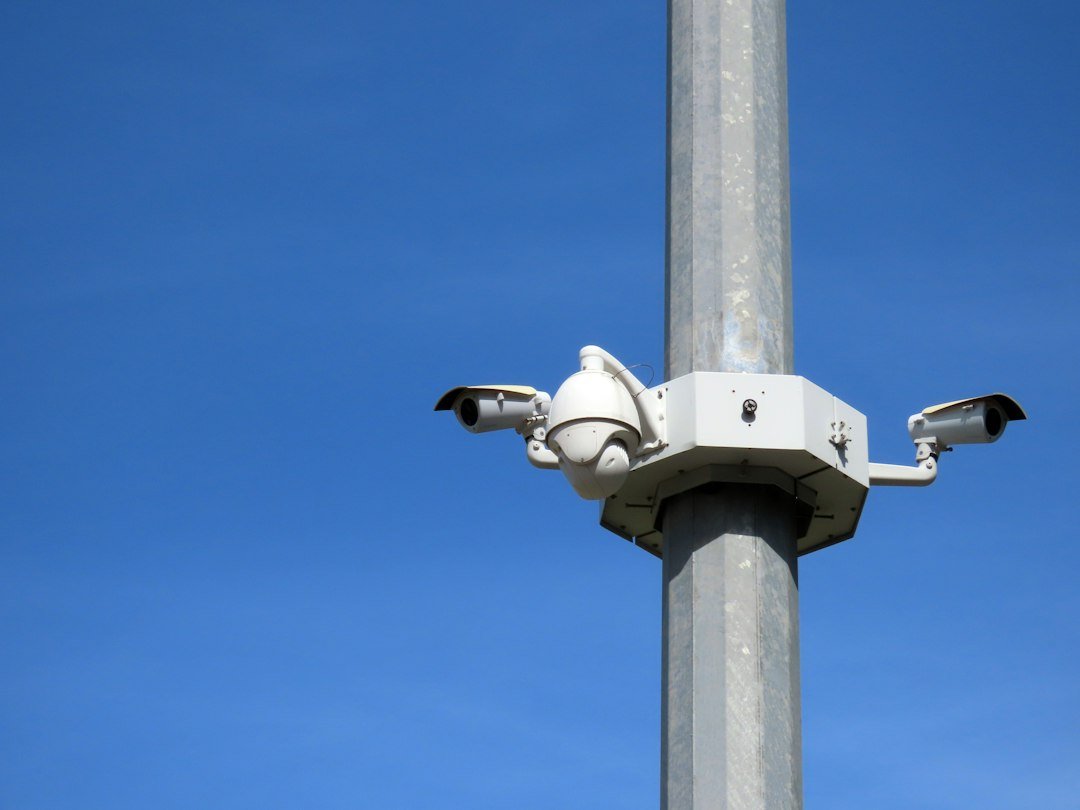
—
Introduction – Why Motion Sensors Are the Unsung Heroes of Modern Life
Imagine walking into a room and the lights turn on automatically, the thermostat adjusts to your presence, and a security camera starts recording the moment you step inside. You probably won’t see the tiny device making all of this happen, but it’s there – a motion sensor silently watching, learning, and reacting.
From safeguarding homes to boosting energy efficiency in massive industrial facilities, motion sensors have become indispensable in today’s connected world. Their ability to detect movement and trigger actions in real time is the backbone of smart home automation, security systems, IoT devices, and countless other innovations.
In this 2,000‑word deep dive, we’ll explore everything you need to know about motion sensors: how they work, the main types on the market, practical tips for choosing the right one, and the most exciting ways they’re being used right now. Whether you’re a homeowner looking to upgrade your security, an electrician planning a commercial installation, or a tech enthusiast curious about the science behind motion detection, this guide has you covered.
—
1. The Science Behind Motion Detection – How Sensors “See” Movement
1.1 Basic Principles: From Light to Sound Waves
At their core, motion sensors are devices that convert physical movement into an electrical signal. The conversion method varies, but the principle is the same: detect a change in a physical property (light, sound, electromagnetic fields) and translate that change into data.
| Sensor Type | Primary Physical Property Detected | Typical Range | Common Use Cases |
|————-|———————————–|—————|——————|
| Passive Infrared (PIR) | Infrared heat emitted by bodies | 5‑12 m | Home security, automatic lighting |
| Ultrasonic | Sound waves (typically 40 kHz) | 3‑10 m | Occupancy sensing, HVAC control |
| Microwave (Doppler Radar) | Microwave reflections | 5‑30 m | Perimeter security, industrial monitoring |
| Dual‑Technology (PIR + Microwave) | Combination of heat & microwave | 5‑15 m | High‑security zones, false‑alarm reduction |
| Video‑Based (Computer Vision) | Visual patterns via camera | Variable (depends on lens) | Smart cameras, facial recognition |
1.2 Passive Infrared (PIR) Sensors – The Workhorse of Home Automation
PIR sensors are the most common motion detectors found in residential security lights and smart thermostats. They contain a pyroelectric material that generates a voltage when it experiences a rapid change in infrared radiation – essentially, when a warm body moves across its field of view.
Why PIR is popular:
- Low power consumption – often runs on a single AA battery for months.
- Cost‑effective – typically under $10 per unit.
- Minimal false triggers – only reacts to heat changes, not to pets (if properly calibrated).
- Works in complete darkness – no reliance on light or heat.
- Detects non‑heat sources – useful for monitoring machinery or ventilation fans.
- Sensitive to temperature and airflow – can cause occasional false alarms in drafty environments.
- Long detection range (up to 30 m).
- Can detect motion through certain materials (e.g., glass).
- Higher power draw – often requires mains power.
- More prone to false alarms from moving foliage or insects unless paired with another technology.
- Wi‑Fi – Simple setup, works with most smart home apps, but can drain battery faster.
- Zigbee / Z‑Wave – Low‑power mesh networks ideal for battery‑operated devices; excellent for large homes with many sensors.
- Thread – Emerging standard offering IPv6‑based, secure, and low‑latency communication; supported by Google Nest and Apple HomeKit.
- Sensitivity – Determines how much change in infrared or echo is needed to trigger motion. Lower sensitivity reduces false alarms from small animals.
- Hold‑time (or “delay”) – Controls how long the sensor stays “active” after detecting motion. For lighting, a 30‑second hold is common; for security, you may want a 10‑second hold before sending an alert.
- Outdoor Sensors – Look for IP65 or higher rating for protection against rain and dust.
- Temperature Extremes – Some PIR sensors stop working below ‑10 °C or above +50 °C. Choose a sensor rated for your climate.
- Electromagnetic Interference (EMI) – In industrial settings, microwave sensors may interfere with nearby RF equipment; proper shielding and frequency selection are essential.
- Occupancy Lighting – PIR sensors linked to LED fixtures turn lights off after a preset inactivity period.
- Smart Thermostats – Sensors detect when a room is empty and lower heating/cooling output, saving up to 15% on HVAC bills.
- Restroom Management – Commercial restrooms equipped with ultrasonic sensors can automatically flush toilets and turn off exhaust fans when no one is present.
- Real‑time occupancy analytics – Facility managers can see which conference rooms are used most and adjust space allocation.
- Predictive maintenance – Sensors detect unusual motion patterns on equipment (e.g., a vibrating motor) and trigger alerts before a failure occurs.
- Security integration – Motion data can be fused with video analytics, access control logs, and alarm systems for a holistic security posture.
- Machine Guarding – Sensors stop a conveyor belt when a person enters a hazardous zone.
- Automated Guided Vehicles (AGVs) – Ultrasonic and LiDAR sensors detect obstacles, preventing collisions.
- Inventory Monitoring – Motion sensors in warehouse aisles track the movement of pallets, feeding data into inventory management software.
1.3 Ultrasonic Sensors – “Echo‑Location” for Indoor Spaces
Ultrasonic motion detectors emit a high‑frequency sound pulse (usually 40 kHz) and listen for the echo. When an object moves within the sensor’s coverage area, the time‑of‑flight of the echo changes, and the sensor registers motion.
Key advantages:
Limitations:
1.4 Microwave (Doppler Radar) Sensors – Long‑Range, High‑Precision Detection
Microwave sensors emit low‑power microwave signals and analyze the Doppler shift caused by moving objects. Because microwaves can penetrate thin walls and glass, these sensors are ideal for perimeter security and industrial monitoring.
Pros:
Cons:
1.5 Dual‑Technology Sensors – Reducing False Alarms
Combining two detection methods (most commonly PIR + microwave) dramatically cuts down on false triggers. The sensor only signals an alarm when both technologies agree that motion is present. This is why many commercial security systems and high‑value residential installations use dual‑technology units.
1.6 Emerging Tech: Video‑Based Motion Detection & AI
Modern smart cameras employ computer vision algorithms to detect motion. By analyzing pixel changes frame‑by‑frame, AI can differentiate between a person, a pet, or a passing car, and even recognize faces. While more expensive and data‑intensive, video‑based detection offers unmatched accuracy and contextual awareness.
—
2. Choosing the Right Motion Sensor – Practical Tips for Every Scenario
2.1 Define Your Goal: Security vs. Convenience
| Goal | Recommended Sensor | Reason |
|——|——————–|——–|
| Home security (doors/windows) | Dual‑technology PIR + microwave | Reduces false alarms from pets or passing traffic |
| Automatic lighting in hallways | PIR sensor with adjustable sensitivity | Low power, easy installation |
| HVAC occupancy control | Ultrasonic or PIR with “hold‑time” setting | Detects presence without needing heat signature |
| Industrial equipment monitoring | Microwave or radar sensor | Long range, can see through dust or light obstructions |
| Smart home integration (Alexa/Google Home) | Wi‑Fi or Zigbee‑enabled PIR sensor | Seamless cloud connectivity and voice control |
2.2 Placement Matters – Where to Mount for Optimal Performance
1. Height – Most PIR sensors work best when mounted 2‑2.5 m (6‑8 ft) from the floor. This height maximizes the sensor’s “cone” and reduces blind spots.
2. Angle – Tilt the sensor slightly downward (about 10‑15°) to capture movement at floor level without exposing it to the ceiling, which can cause false triggers from overhead lights.
3. Avoid Direct Sunlight & Heat Sources – Sunlight can heat the sensor’s housing, confusing PIR detectors. Keep the unit away from radiators, vents, or direct sunlight.
4. Clear Field of View – Ensure there are no large objects (furniture, cabinets) within the detection zone that could block the sensor’s line of sight.
5. Pet Considerations – If you have cats or small dogs, choose a sensor with a pet‑immune setting (usually 12 in‑18 in detection height) or opt for a dual‑technology model.
2.3 Power Options – Battery vs. Mains vs. PoE
| Power Type | Pros | Cons | Ideal For |
|————|——|——|———–|
| Battery (AA/AAA, CR123) | Easy DIY install, no wiring | Requires periodic replacement, limited range for high‑power sensors | Small residential lights, retrofit projects |
| Mains (AC) | Unlimited runtime, higher power for microwave sensors | Requires electrical work, higher cost | Commercial security, large‑area coverage |
| Power over Ethernet (PoE) | Combines data & power, reliable for IP cameras | Needs PoE switch or injector | Enterprise IoT deployments, smart building automation |
2.4 Connectivity – Wired, Wi‑Fi, Zigbee, Z‑Wave, Thread
When selecting a sensor, verify that its protocol is compatible with your existing hub or ecosystem (e.g., Amazon Alexa, Google Assistant, Apple HomeKit, SmartThings).
2.5 Sensitivity & “Hold‑Time” Settings – Fine‑Tuning for Real‑World Use
Most modern sensors let you adjust:
Experiment with these settings after installation. Most units have a test button that lets you see the detection range in real time.
2.6 Environmental Factors – Weatherproofing and Temperature Range
—
3. Real‑World Applications – From Smart Homes to Industrial Automation
3.1 Home Security – The First Line of Defense
A typical home security system uses a layered approach:
1. Door/Window Sensors – Detect opening/closing.
2. Glass‑Break Detectors – Listen for shattering frequencies.
3. Motion Sensors – Provide coverage for interior spaces and detect intruders after a perimeter breach.
Best practice: Install dual‑technology motion sensors in high‑traffic zones (living room, hallway) and PIR‑only sensors in low‑traffic areas (garage, basement) to balance cost and reliability.
Case study: A suburban family upgraded to a Z‑Wave dual‑technology sensor with a pet‑immune mode. Within the first month, false alarms dropped from 12 per month to zero, while the system still caught two genuine break‑ins, prompting a swift police response.
3.2 Energy Efficiency – Lights, HVAC, and Beyond
Motion sensors are a cornerstone of green building design. By ensuring that lights and climate control systems only run when spaces are occupied, they can cut electricity usage by 20‑40%.
Implementation tip: Pair motion sensors with daylight harvesting controls. When natural light is sufficient, the system can keep artificial lighting off, further reducing energy waste.
3.3 IoT & Smart Buildings – The Connected Ecosystem
In a smart building, motion sensors become data points feeding a centralized building management system (BMS).
Example: A multinational office tower installed microwave motion sensors in its lobby and integrated them with a cloud‑based BMS. The system automatically dimmed lobby lighting after hours, saving $45,000 annually while still maintaining a secure environment.
3.4 Industrial & Manufacturing – Safety and Process Control
Motion detection in factories isn’t just about security; it’s also about worker safety and process optimization.
Safety note: In environments with explosive gases, use intrinsically safe sensors that meet ATEX or IECEx certifications.
3.5 Emerging Trends – AI, Edge Computing, and 5G
1. AI‑Powered Edge Sensors – New motion detectors embed tiny neural networks that classify motion locally (person vs. animal vs. vehicle), reducing false alerts and bandwidth usage.
2. 5G Connectivity – Low‑latency 5G networks enable real‑time motion alerts for critical applications like autonomous drones and remote surveillance.
3. **Energy Harvesting